EN | ES

Understanding Energy Certification in Chilean Homes

Thousands of homes are built in Chile each year, but few buyers understand what energy certification really means. This platform explains everything you need to know about home energy ratings and their real impact.

Explore Information
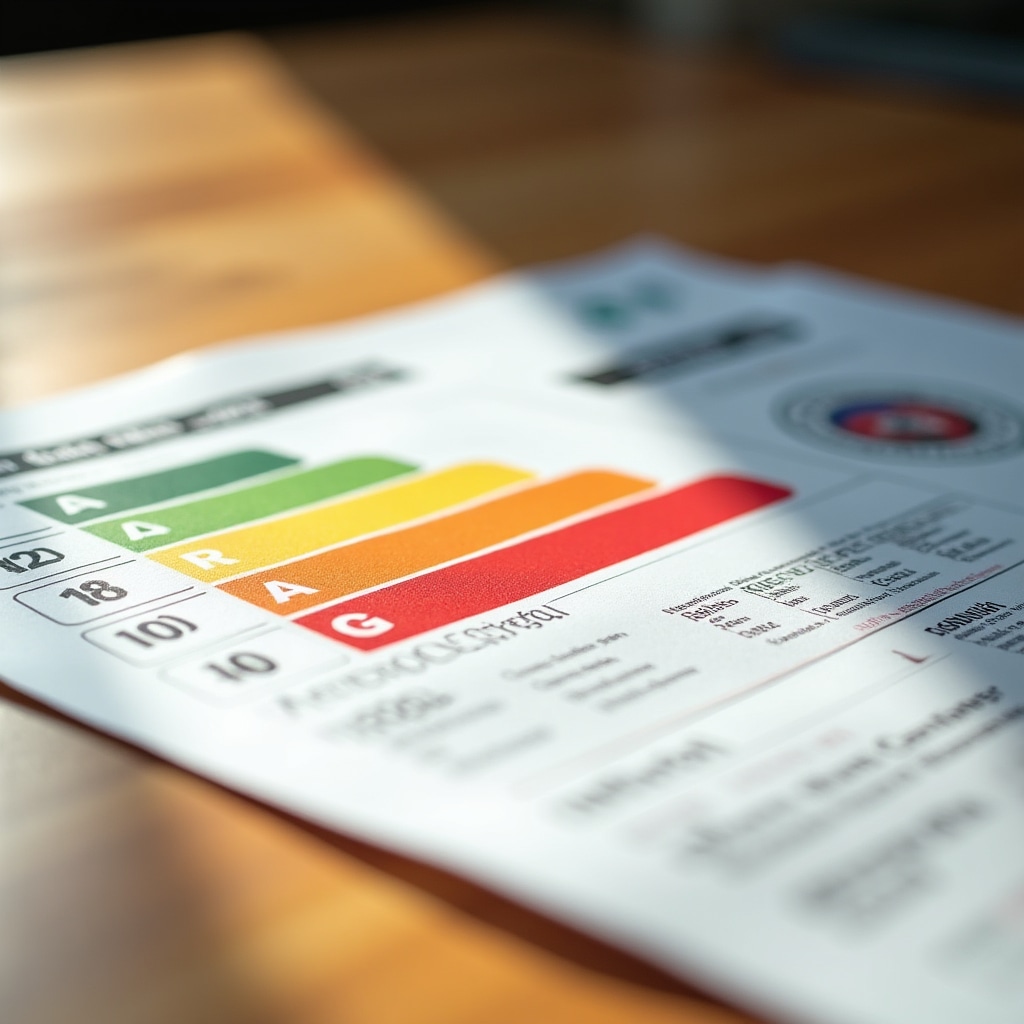
Chilean home energy certification document showing rating scale from A to G

Energy Rating Scale

Chilean home energy certification uses a letter scale from A to G. Each rating represents specific energy consumption patterns and directly impacts heating and electricity costs.

A Excellent
B Very Good
C Good
D Average
E Below Average
F Poor
G Very Poor

What Energy Certification Measures

The certification evaluates thermal envelope performance, including wall and roof insulation quality, window thermal properties, air infiltration rates, and heating system efficiency. The rating reflects annual energy consumption required to maintain comfortable interior temperatures.

Measurements consider building orientation, local climate zone, construction materials, and installed mechanical systems. Two identical apartments in the same building can receive different ratings based on orientation, floor level, and exposure to prevailing winds.
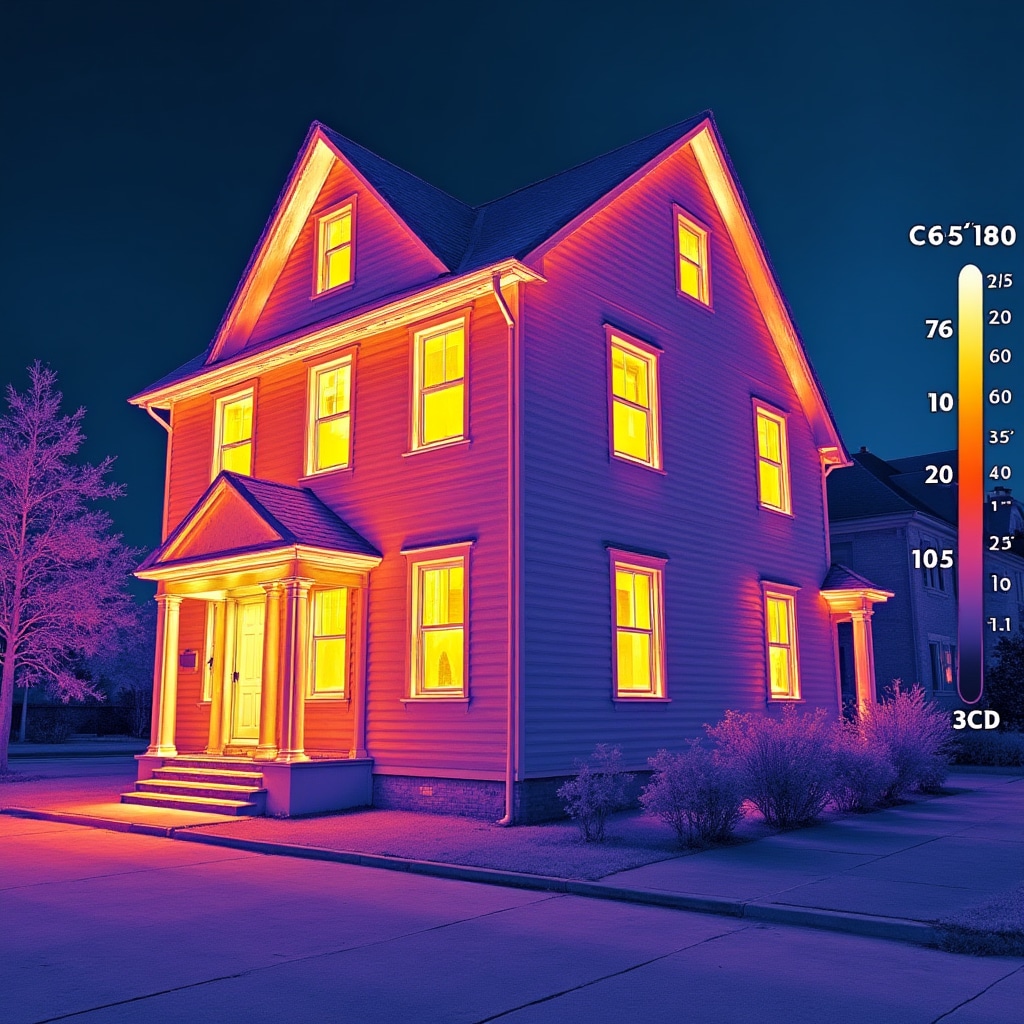
Thermal imaging camera view of residential building showing heat loss patterns through walls and windows

Real Impact on Utility Costs

Energy rating directly correlates with monthly heating and cooling expenses. A home with rating A typically consumes significantly less energy than one rated E or F for the same interior comfort level. The difference becomes particularly noticeable during winter months in central and southern Chile.

Beyond monthly bills, energy efficiency affects long-term property value and resale potential. Buyers increasingly consider certification ratings when evaluating properties, making energy efficiency a measurable asset in the real estate market.

Monthly utility bills and calculator showing energy cost comparison between different efficiency ratings

Insulation Technologies Available in Chile

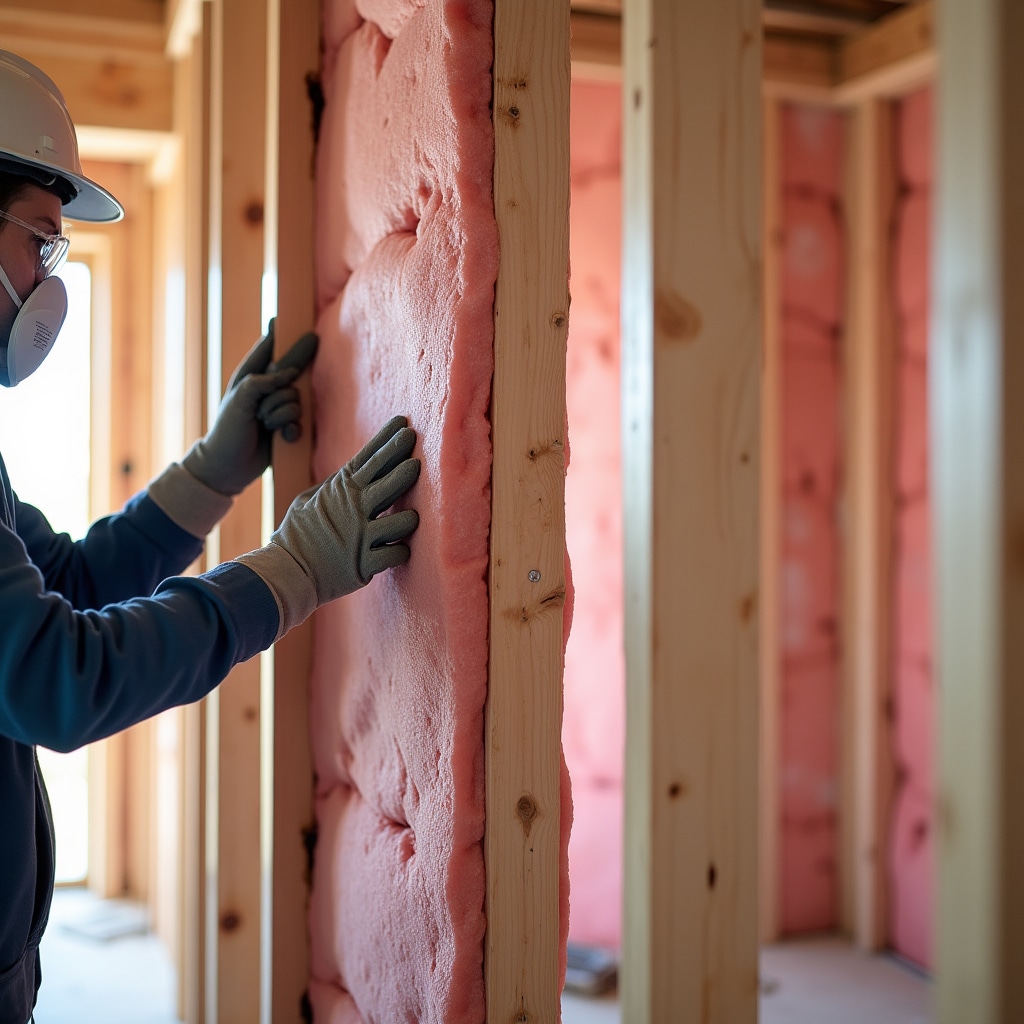
Chilean market offers various insulation materials with different thermal performance characteristics. Mineral wool, expanded polystyrene, polyurethane foam, and cellulose fiber each provide distinct advantages depending on application location and budget constraints.

Wall insulation, roof insulation, and foundation insulation require different material properties. Thermal resistance values, moisture management capabilities, fire resistance ratings, and installation complexity vary significantly across available options.

Professional installation of thermal insulation material in residential wall cavity during construction

Heating System Comparison

System Type Energy Source Efficiency Range Installation Complexity
Heat Pump Electricity High efficiency in moderate climates Moderate to complex
Gas Boiler Natural gas Variable by model generation Moderate complexity
Electric Resistance Electricity Lower efficiency, higher operating cost Simple installation
Wood Pellet Biomass Moderate efficiency, renewable fuel Moderate complexity
Radiant Floor Various sources High comfort, efficiency depends on source Complex installation

Information Resources

Certification Guide

Comprehensive explanation of how energy certification works in Chile, what factors influence ratings, and how measurements are conducted.

Download Guide

Insulation Comparison

Detailed comparison of insulation materials available in Chilean market, including thermal properties, costs, and appropriate applications.

Download Comparison

Energy Cost Calculator

Interactive tool to estimate potential energy savings based on different certification ratings and heating system configurations.

Access Calculator

Technical Glossary

Reference document explaining technical terms used in energy certification, building science, and thermal performance evaluation.

Download Glossary

Stay Informed About Energy Efficiency

Receive updates about changes in certification standards, new insulation technologies, and energy efficiency developments in Chilean construction.